Exquisite, Dazzling royal treasures

The Crown Jewels

The Crown Jewels are not only a collection of unparalleled beauty but also a living representation of the British monarchy's history, tradition, and ceremonial splendour. They continue to captivate and intrigue, drawing visitors from around the world to marvel at their splendor. A visit to the Tower of London, with the Crown Jewels as its centerpiece, offers a unique glimpse into the heritage and heart of the United Kingdom.

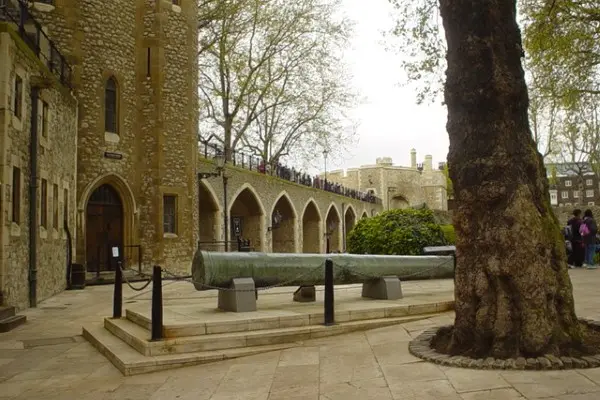
Inside the grounds of the tower of London.
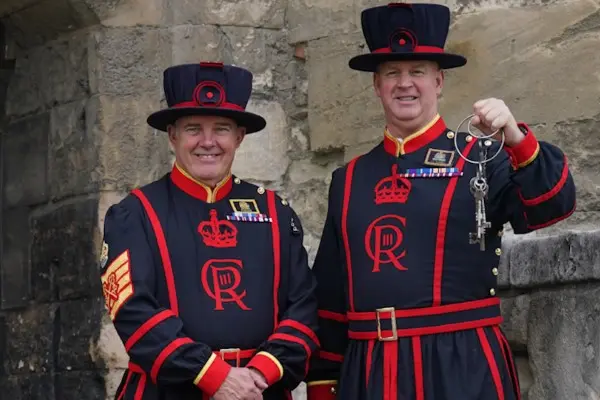
Two yeoman warders holding keys.
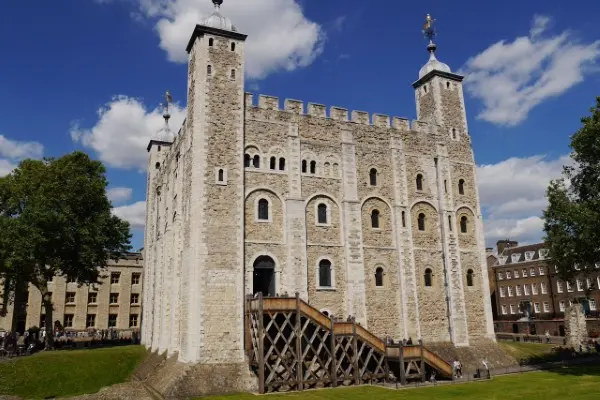
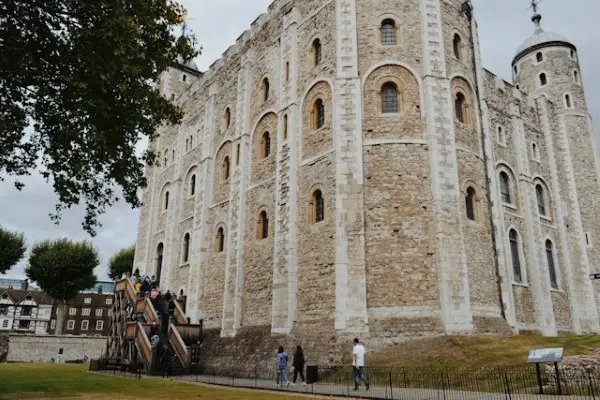
The white tower at the tower of London.
Check Ticket Availability

Looking to Visit St Pauls Cathedral in 2025. Check tour & ticket availability now.

BOOK Tickets NOW

Discover the Timeless Splendour of the Crown Jewels

Housed inside the ancient walls of the Tower of London, the Crown Jewels shine as a dazzling symbol of the British monarchy’s grandeur, heritage, and mystery.

This awe-inspiring collection—featuring over 100 treasures and a staggering 23,578 gemstones—brings to life the pageantry of royal coronations and ceremonies that have captivated the world for centuries. From the sacred coronation regalia to the gleaming orbs, sceptres, and crowns, these jewels offer an unforgettable glimpse into the heart of Britain’s royal legacy.


A Collection Like No Other

The heart of the Crown Jewels is the coronation regalia, used in the crowning of England's monarchs. Among these sacred items, the St. Edward's Crown, made of solid gold and adorned with gems, stands out as the centrepiece. Used at the moment of coronation, it symbolizes the monarch's authority and has been a key feature of this solemn ceremony since the 13th century.

The Sovereign's Sceptre with Cross, another highlight, features the world's largest colorless cut diamond, the Cullinan I, also known as the Star of Africa. This sceptre represents the temporal power of the monarch, a tradition that dates back to the first millennium.

The Imperial State Crown, worn by the monarch at the end of the coronation ceremony and at the State Opening of Parliament, dazzles with over 2,868 diamonds, among them the historic Cullinan II diamond, and other precious stones including sapphires, emeralds, and pearls.
More Than Just Gems

Beyond their aesthetic value, the Crown Jewels are steeped in history and symbolism. Each piece tells a story, from the medieval anointing spoon, the oldest item in the collection, to the modern pieces that have been added over the centuries. They embody the continuity and stability of the British monarchy through times of change and turmoil.

The collection also includes robes, swords, rings, and other regalia, each with its own history and ceremonial importance. The Coronation Spoon, for instance, has been used in every coronation since the 12th century to anoint the monarch with holy oil, symbolizing their divine right to rule.


Visiting the Crown Jewels

Located in the Jewel House at the Tower of London, the Crown Jewels attract millions of visitors each year. The exhibition is designed to give guests an immersive experience, with multimedia displays that illuminate the history and significance of these treasures. For many, the opportunity to see these symbols of royal power and ceremony up close is a once-in-a-lifetime experience.


Visiting the Tower of London in 2025

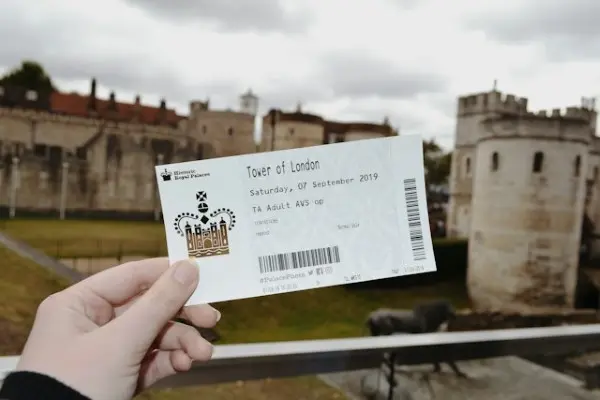
With an admission ticket to the Tower of London, visitors gain access to a wide range of exhibits, displays, and historical sites within the Tower complex. By booking your ticket and arrival slot online in advance, you can help ensure your visit goes to plan.


Opening Times

Opening hours can vary throughout the year, including seasonal adjustments and special events that might affect accessibility. Generally, the Tower of London opens at 9:00 or 10:00 AM and closes between 4:30 and 5:30 PM, with last admission usually an hour before closing.

Accessibility

The Tower of London strives to be accessible to visitors with disabilities, but due to its historic nature, some areas may present challenges. The Tower is a large complex with uneven paving, narrow staircases, and some areas that are not accessible by wheelchair.

Wheelchair Access

Certain areas of the Tower, including the Jewel House (home to the Crown Jewels) and the Main Gift Shop, are wheelchair accessible. The Tower also provides wheelchairs for loan.

Visual Impairments

Assistance dogs are welcome, and some resources may be available to support visually impaired visitors.

Hearing Impairments

Induction loops are installed at ticket counters and some exhibition spaces.

Accessible Toilets

These are available at several locations within the Tower.


Visitors Frequently Asked Questions

Current Ticket Prices for 2025
Adult (18-64) £35.80
Child (0-4) Free
Child (5-15) £17.90
Over 65 £28.50
Disabled Concession £28.50
Students (16-17) £28.50

Yes, you can take photographs inside the Tower of London for personal use. However, photography is not allowed in some specific areas, such as the Jewel House, where the Crown Jewels are displayed, and the Martin Tower, which houses the Royal Mint exhibition.

These restrictions are in place to protect the items on display and ensure the security of the site. It's always a good idea to check for any signage indicating photography restrictions or to ask a member of staff if you're unsure.

Commercial photography and the use of tripods may require permission in advance. Remember to be respectful of the historical site and other visitors when taking photos.

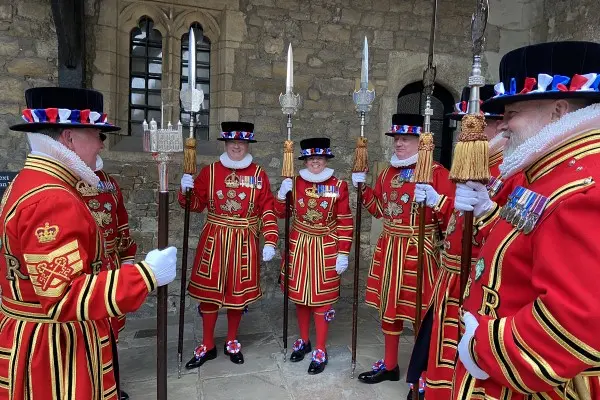
Yes, guided tours are available at the Tower of London and are conducted by the Yeoman Warders, also known as Beefeaters, who are the ceremonial guardians of the Tower. These tours are included in the price of admission and offer a fascinating insight into the history of the Tower, its famous residents, and its role in British history.

The Yeoman Warders share stories and anecdotes, bringing to life the Tower's past, including tales of intrigue, imprisonment, execution, and more. The tours start near the main entrance and last approximately one hour. It's a highly recommended experience for visitors wanting to learn more about the Tower of London's rich and sometimes gruesome history. No booking is required for these tours; however, they can be quite popular, so it's advisable to join a tour upon arrival.

The Tower of London strives to be accessible to visitors with disabilities, but due to its historic nature, some areas may present challenges. The Tower is a large complex with uneven paving, narrow staircases, and some areas that are not accessible by wheelchair. However, there are facilities and services in place to help ensure that visitors with disabilities can enjoy their visit:

Wheelchair Access: Certain areas of the Tower, including the Jewel House (home to the Crown Jewels) and the Main Gift Shop, are wheelchair accessible. The Tower also provides wheelchairs for loan.

Visual Impairments: Assistance dogs are welcome, and some resources may be available to support visually impaired visitors.

Hearing Impairments: Induction loops are installed at ticket counters and some exhibition spaces.

Accessible Toilets: These are available at several locations within the Tower.

Most visitors spend 2-3 hours at the Tower, but you could easily spend a whole day exploring all the exhibits, tours, and historical points of interest.

Yes, there are several places to eat and drink within the Tower, offering a range of options from light snacks to full meals.

Yes, there are several attractions and landmarks near the Tower of London. Some popular options include Hms Belfast, the Shard, Borough Market, Tower Bridge and St Pauls Cathedral, all within walking distance.