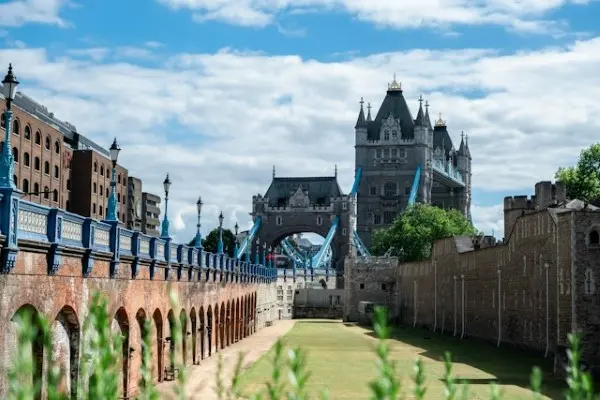
The Tower of London's history is a microcosm of British history, reflecting the nation's evolution from a Norman conquest to a modern democracy. It has been a witness to the ambitions and struggles of the monarchy, the changing modes of warfare, and the enduring power of tradition and ceremony. A visit to the Tower is not just a walk through a museum but a journey through the heart of England's heritage, where every stone tells a story.
Looking to Visit St Pauls Cathedral in 2025. Check tour & ticket availability now.
BOOK Tickets NOWNestled on the north bank of the River Thames, the Tower of London stands as a monumental chronicle of British history. More than just a fortress, this iconic complex has been the backdrop to key events that have shaped the nation over the centuries. From its origins as a royal residence to its darker days as a prison and place of execution, the Tower's storied past encompasses tales of power, betrayal, and intrigue.
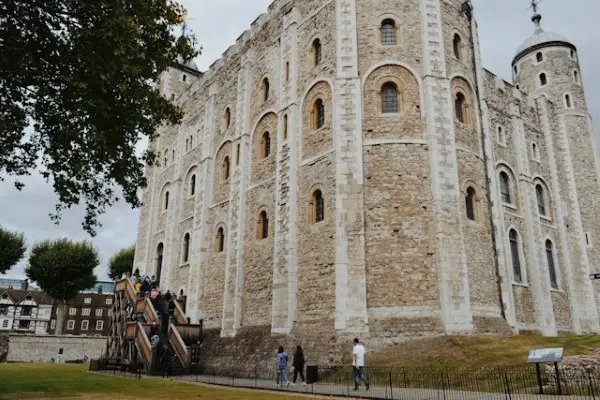
Commissioned by William the Conqueror in 1066 as a symbol of Norman power, the Tower of London was initially designed to dominate the London skyline and subdue its residents. The White Tower, which gives the entire complex its name, was completed in 1078 and served as a royal palace and a formidable fortress.
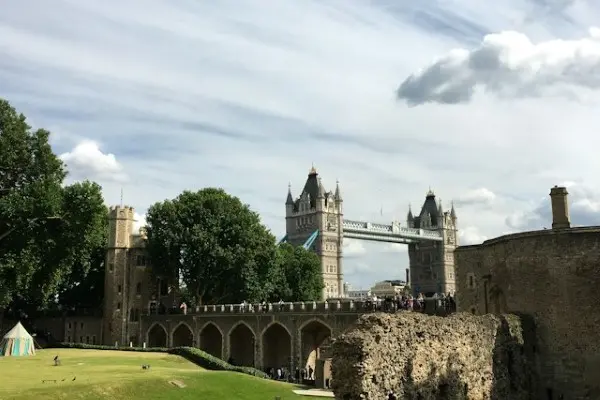
Over the centuries, successive monarchs expanded the fortress, adding the outer walls and a series of smaller towers that gave the complex its distinctive appearance.
Perhaps the most notorious aspect of the Tower's history is its role as a prison and a site of execution. From the early 14th century until as late as the 1950s, the Tower held a wide array of prisoners, from fallen monarchs and disgraced nobles to common criminals and political rebels. The Tower was the final stop for many before their execution, most famously Anne Boleyn and Catherine Howard, two of Henry VIII's wives, and Lady Jane Grey, the Nine Days' Queen.
The Tower of London is also home to the Crown Jewels, a breathtaking collection of regalia and symbols of the British monarchy. Guarded within the Jewel House, this collection includes some of the world's most famous diamonds and a remarkable array of ceremonial objects. The Royal Armoury in the White Tower showcases centuries of royal armor and weaponry, offering a glimpse into the evolution of combat and ceremonial displays.
The Tower of London is also home to the Crown Jewels, a breathtaking collection of regalia and symbols of the British monarchy. Guarded within the Jewel House, this collection includes some of the world's most famous diamonds and a remarkable array of ceremonial objects. The Royal Armory in the White Tower showcases centuries of royal armor and weaponry, offering a glimpse into the evolution of combat and ceremonial displays.
Today, the Tower of London stands as a UNESCO World Heritage Site, attracting millions of visitors from around the globe. Its walls contain nearly a millennium of history, from the personal stories of its royal and noble residents to the public spectacle of its military functions. The Tower continues to be a living part of London, hosting ceremonies, reenactments, and exhibitions that celebrate and interrogate its complex past.
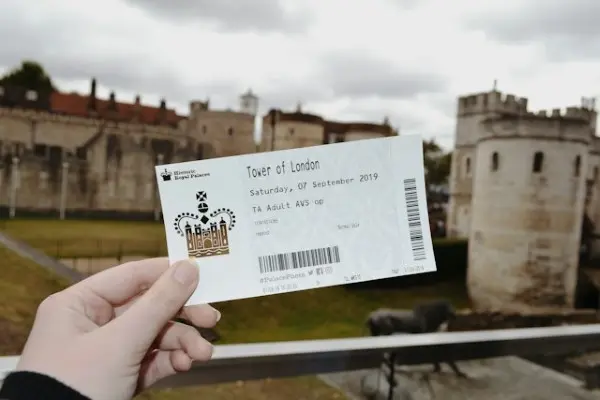
With an admission ticket to the Tower of London, visitors gain access to a wide range of exhibits, displays, and historical sites within the Tower complex. By booking your ticket and arrival slot online in advance, you can help ensure your visit goes to plan.
Opening hours can vary throughout the year, including seasonal adjustments and special events that might affect accessibility. Generally, the Tower of London opens at 9:00 or 10:00 AM and closes between 4:30 and 5:30 PM, with last admission usually an hour before closing.
The Tower of London strives to be accessible to visitors with disabilities, but due to its historic nature, some areas may present challenges. The Tower is a large complex with uneven paving, narrow staircases, and some areas that are not accessible by wheelchair.
Wheelchair AccessCertain areas of the Tower, including the Jewel House (home to the Crown Jewels) and the Main Gift Shop, are wheelchair accessible. The Tower also provides wheelchairs for loan.
Visual ImpairmentsAssistance dogs are welcome, and some resources may be available to support visually impaired visitors.
Hearing ImpairmentsInduction loops are installed at ticket counters and some exhibition spaces.
Accessible ToiletsThese are available at several locations within the Tower.
| Current Ticket Prices for 2025 | |
|---|---|
| Adult (18-64) | £35.80 |
| Child (0-4) | Free |
| Child (5-15) | £17.90 |
| Over 65 | £28.50 |
| Disabled Concession | £28.50 |
| Students (16-17) | £28.50 |
Yes, you can take photographs inside the Tower of London for personal use. However, photography is not allowed in some specific areas, such as the Jewel House, where the Crown Jewels are displayed, and the Martin Tower, which houses the Royal Mint exhibition.
These restrictions are in place to protect the items on display and ensure the security of the site. It's always a good idea to check for any signage indicating photography restrictions or to ask a member of staff if you're unsure.
Commercial photography and the use of tripods may require permission in advance. Remember to be respectful of the historical site and other visitors when taking photos.
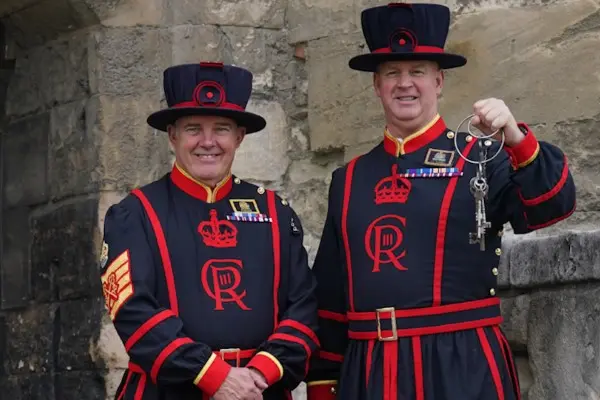
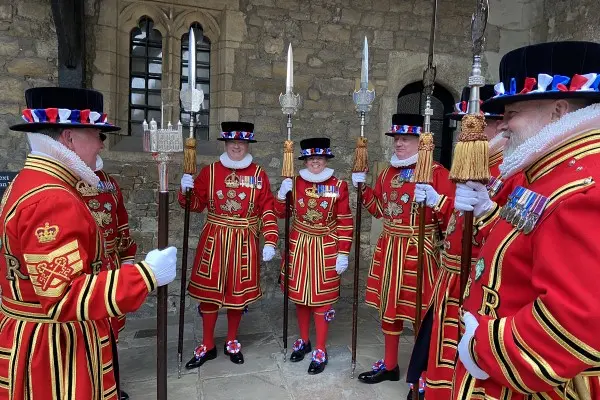
Yes, guided tours are available at the Tower of London and are conducted by the Yeoman Warders, also known as Beefeaters, who are the ceremonial guardians of the Tower. These tours are included in the price of admission and offer a fascinating insight into the history of the Tower, its famous residents, and its role in British history.
The Yeoman Warders share stories and anecdotes, bringing to life the Tower's past, including tales of intrigue, imprisonment, execution, and more. The tours start near the main entrance and last approximately one hour. It's a highly recommended experience for visitors wanting to learn more about the Tower of London's rich and sometimes gruesome history. No booking is required for these tours; however, they can be quite popular, so it's advisable to join a tour upon arrival.
The Tower of London strives to be accessible to visitors with disabilities, but due to its historic nature, some areas may present challenges. The Tower is a large complex with uneven paving, narrow staircases, and some areas that are not accessible by wheelchair. However, there are facilities and services in place to help ensure that visitors with disabilities can enjoy their visit:
Wheelchair Access: Certain areas of the Tower, including the Jewel House (home to the Crown Jewels) and the Main Gift Shop, are wheelchair accessible. The Tower also provides wheelchairs for loan.
Visual Impairments: Assistance dogs are welcome, and some resources may be available to support visually impaired visitors.
Hearing Impairments: Induction loops are installed at ticket counters and some exhibition spaces.
Accessible Toilets: These are available at several locations within the Tower.
Most visitors spend 2-3 hours at the Tower, but you could easily spend a whole day exploring all the exhibits, tours, and historical points of interest.
Yes, there are several places to eat and drink within the Tower, offering a range of options from light snacks to full meals.
Yes, there are several attractions and landmarks near the Tower of London. Some popular options include Hms Belfast, the Shard, Borough Market, Tower Bridge and St Pauls Cathedral, all within walking distance.