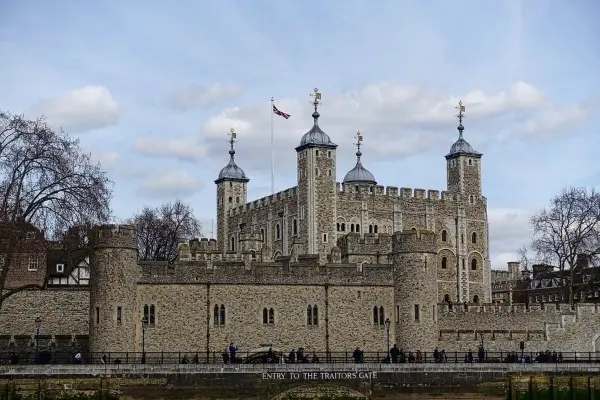
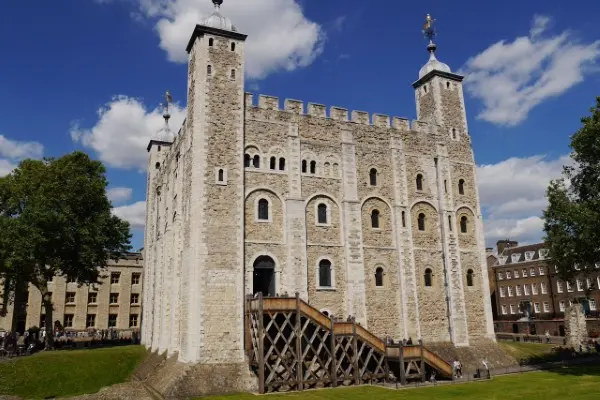
Step into the story of the White Tower, the mighty stone keep at the core of the Tower of London. Built by William the Conqueror in the 11th century, this iconic stronghold has stood witness to centuries of royal triumphs, imprisonments, and secrets. More than just a castle, the White Tower is a living monument to Britain’s past—where history whispers through every ancient wall.
Looking to Visit St Pauls Cathedral in 2025. Check tour & ticket availability now.
BOOK Tickets NOWRising proudly at the heart of the Tower of London, the White Tower has loomed over the city’s skyline for nearly 1,000 years. Built by William the Conqueror in the late 11th century, this awe-inspiring fortress blends stunning architecture with a legacy of royal might and England’s stormy past.
Its thick stone walls have seen it all—from the rise and fall of kings to its roles as a royal palace, fearsome prison, and keeper of records. Today, the White Tower beckons visitors to step inside, wander its historic halls, and uncover the captivating tales woven into the very soul of Britain.
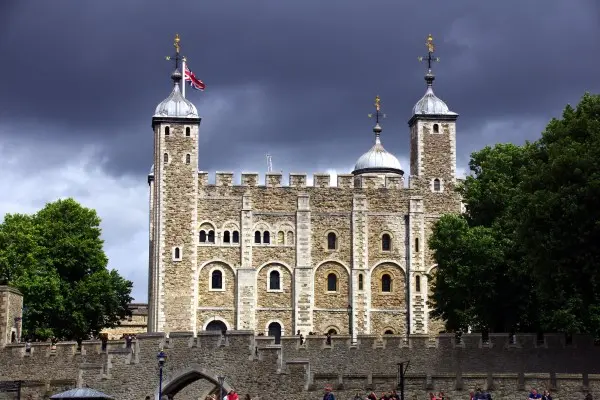
Designed by Gundulf, Bishop of Rochester, the White Tower is a prime example of Norman military architecture and was intended to assert Norman dominance over London. Its construction, using Caen stone brought over from Normandy, was a monumental task that set the standard for castle building in England. The tower's design, with its four turrets, thick walls, and central keep, was revolutionary for its time and provided a model for future fortifications.
Standing at about 90 feet high, the White Tower was the tallest building in London for centuries. Its white limestone façade, which is believed to have given the tower its name, was meant to dazzle and intimidate. Inside, the great hall, chapel, and residential quarters reveal the dual purpose of the tower: a palace fit for a king and a fortress ready for war.
The White Tower has played a central role in England's history. It served as a royal residence for the Normans and was a symbol of oppression to the city of London. Over the centuries, it has been a treasury, an armory, a menagerie, and the home of the Royal Mint. Its walls have held famous prisoners, from Ranulf Flambard, the first prisoner to escape the Tower, to Sir Walter Raleigh, who was held in the Bloody Tower within the complex.
Today, the White Tower houses the Royal Armouries collection, one of the oldest museum collections in the world. Visitors can marvel at the line of kings with their suits of armor, weapons that changed the course of battles, and historical artifacts that tell the story of England's military past.
Exploring the White Tower offers a unique glimpse into medieval life and the evolution of the English monarchy. The Chapel of St. John the Evangelist, located within the tower, is one of the best-preserved examples of Norman church architecture in England. The chapel was a private place of worship for the royal family and a testament to the tower's importance as a residence and spiritual center.
The experience of visiting the White Tower is a journey back in time. It's an opportunity to stand where kings and queens have stood, to walk through rooms where history was made, and to feel the weight of centuries under the gaze of armor-clad statues. The White Tower not only tells the story of the Tower of London but also the story of England itself.
The White Tower stands as a testament to the enduring strength and resilience of the British monarchy. Its history reflects the complexities of royal power, the ambitions of conquerors, and the ever-changing landscape of English governance. As the heart of the Tower of London, it continues to captivate and educate visitors, offering a window into a past that shaped the future of Britain and the world.
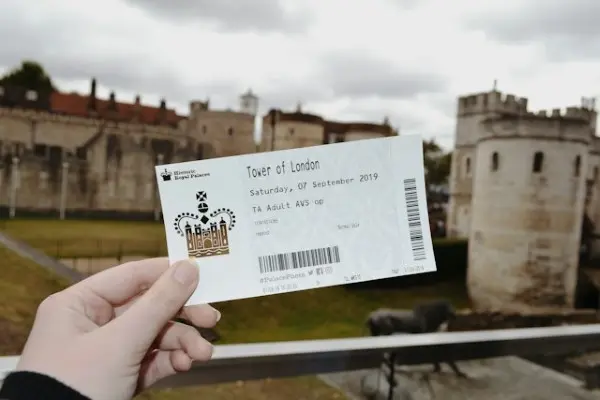
With an admission ticket to the Tower of London, visitors gain access to a wide range of exhibits, displays, and historical sites within the Tower complex. By booking your ticket and arrival slot online in advance, you can help ensure your visit goes to plan.
Opening hours can vary throughout the year, including seasonal adjustments and special events that might affect accessibility. Generally, the Tower of London opens at 9:00 or 10:00 AM and closes between 4:30 and 5:30 PM, with last admission usually an hour before closing.
The Tower of London strives to be accessible to visitors with disabilities, but due to its historic nature, some areas may present challenges. The Tower is a large complex with uneven paving, narrow staircases, and some areas that are not accessible by wheelchair.
Wheelchair AccessCertain areas of the Tower, including the Jewel House (home to the Crown Jewels) and the Main Gift Shop, are wheelchair accessible. The Tower also provides wheelchairs for loan.
Visual ImpairmentsAssistance dogs are welcome, and some resources may be available to support visually impaired visitors.
Hearing ImpairmentsInduction loops are installed at ticket counters and some exhibition spaces.
Accessible ToiletsThese are available at several locations within the Tower.
| Current Ticket Prices for 2025 | |
|---|---|
| Adult (18-64) | £35.80 |
| Child (0-4) | Free |
| Child (5-15) | £17.90 |
| Over 65 | £28.50 |
| Disabled Concession | £28.50 |
| Students (16-17) | £28.50 |
Yes, you can take photographs inside the Tower of London for personal use. However, photography is not allowed in some specific areas, such as the Jewel House, where the Crown Jewels are displayed, and the Martin Tower, which houses the Royal Mint exhibition.
These restrictions are in place to protect the items on display and ensure the security of the site. It's always a good idea to check for any signage indicating photography restrictions or to ask a member of staff if you're unsure.
Commercial photography and the use of tripods may require permission in advance. Remember to be respectful of the historical site and other visitors when taking photos.
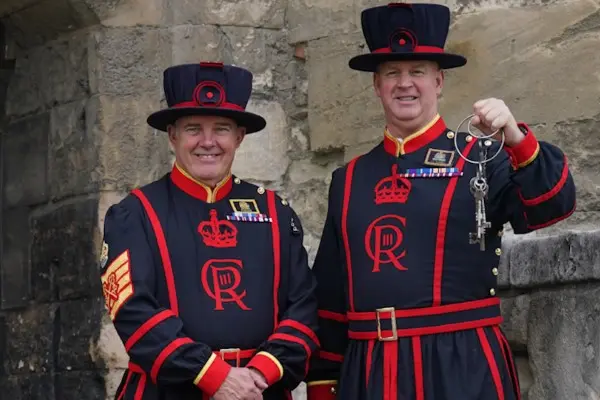
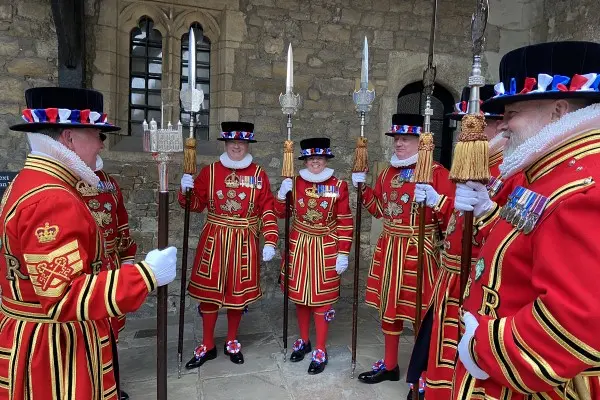
Yes, guided tours are available at the Tower of London and are conducted by the Yeoman Warders, also known as Beefeaters, who are the ceremonial guardians of the Tower. These tours are included in the price of admission and offer a fascinating insight into the history of the Tower, its famous residents, and its role in British history.
The Yeoman Warders share stories and anecdotes, bringing to life the Tower's past, including tales of intrigue, imprisonment, execution, and more. The tours start near the main entrance and last approximately one hour. It's a highly recommended experience for visitors wanting to learn more about the Tower of London's rich and sometimes gruesome history. No booking is required for these tours; however, they can be quite popular, so it's advisable to join a tour upon arrival.
The Tower of London strives to be accessible to visitors with disabilities, but due to its historic nature, some areas may present challenges. The Tower is a large complex with uneven paving, narrow staircases, and some areas that are not accessible by wheelchair. However, there are facilities and services in place to help ensure that visitors with disabilities can enjoy their visit:
Wheelchair Access: Certain areas of the Tower, including the Jewel House (home to the Crown Jewels) and the Main Gift Shop, are wheelchair accessible. The Tower also provides wheelchairs for loan.
Visual Impairments: Assistance dogs are welcome, and some resources may be available to support visually impaired visitors.
Hearing Impairments: Induction loops are installed at ticket counters and some exhibition spaces.
Accessible Toilets: These are available at several locations within the Tower.
Most visitors spend 2-3 hours at the Tower, but you could easily spend a whole day exploring all the exhibits, tours, and historical points of interest.
Yes, there are several places to eat and drink within the Tower, offering a range of options from light snacks to full meals.
Yes, there are several attractions and landmarks near the Tower of London. Some popular options include Hms Belfast, the Shard, Borough Market, Tower Bridge and St Pauls Cathedral, all within walking distance.