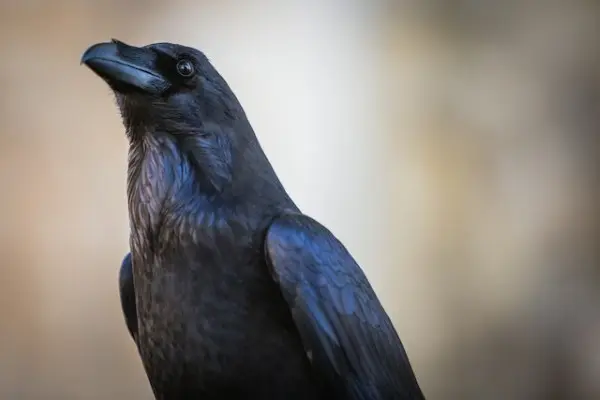
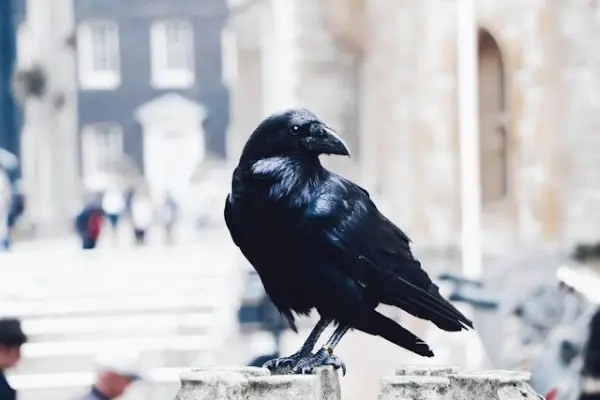
Perched atop the ancient stones of the Tower of London, the ravens are more than just birds—they’re living symbols of a haunting royal prophecy. According to legend, if these glossy black guardians ever leave the fortress, the kingdom itself will crumble. With their piercing calls and watchful eyes, the Tower’s ravens have captivated visitors for centuries, weaving a thread of mystery through Britain’s history. Join us as we unravel their tale, from medieval superstition to their pampered lives today.
Looking to Visit St Pauls Cathedral in 2025. Check tour & ticket availability now.
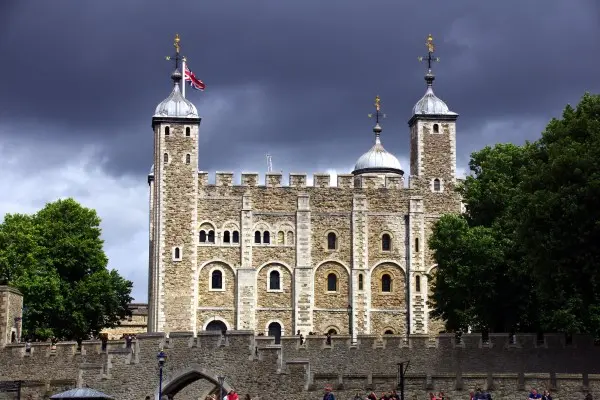
BOOK Tickets NOWThe Tower of London, a historic fortress with a storied past, is home to a group of residents as legendary as the tower itself: the ravens. These enigmatic birds are not only a symbol of the Tower's rich history but are also shrouded in myth and superstition, believed to be the guardians of the Crown and the entire kingdom.
According to legend, should the ravens ever leave the Tower, both the fortress and the British monarchy will fall. This article delves into the fascinating world of the Tower's ravens, exploring their history, significance, and the role they play in the traditions of one of the UK's most iconic landmarks.
The origin of the Tower's raven mythology is enveloped in the mists of time, with various tales and historical accounts contributing to the legend. Some stories suggest that the ravens' presence dates back to the reign of Charles II, who ordered their protection after being warned that the crown and the Tower would crumble without them. Others believe the ravens arrived much earlier, drawn to the site's ancient mystical significance.
Regardless of their origins, the ravens have become an integral part of the Tower's identity, with their well-being considered a matter of national interest. The birds are cared for by the Ravenmaster, a designated Yeoman Warder who ensures their health and safety, a position that underscores the seriousness with which the legend is taken.
As of today, at least six ravens are kept at the Tower of London at all times, in accordance with the ancient decree. These birds are given names and treated with the highest level of care, including a diet of raw meat and special treats. Their wings are trimmed, not to prevent flight entirely but to ensure they do not stray too far from the Tower.
The current ravens are known for their distinct personalities, and visitors often delight in watching their interactions. The birds reside within the Tower's grounds, roaming freely during the day and secured in their lodgings at night.
The Ravenmaster, a role filled by one of the Yeoman Warders, is tasked with the daily care of the ravens. This includes feeding them, maintaining their lodgings, and monitoring their health. The Ravenmaster also plays a key role in the birds' acclimatization to the Tower's environment, ensuring they can interact safely with visitors and the Tower staff.
The ravens are more than just birds; they are a living symbol of the Tower's history and the lore that surrounds it. They embody the link between the past and the present, serving as a reminder of the myths and legends that have shaped the identity of the nation. The care and attention given to these birds reflect the respect for tradition that characterizes the UK's approach to its heritage.
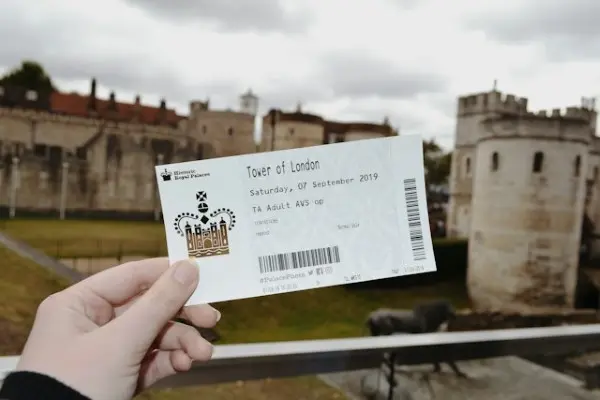
With an admission ticket to the Tower of London, visitors gain access to a wide range of exhibits, displays, and historical sites within the Tower complex. By booking your ticket and arrival slot online in advance, you can help ensure your visit goes to plan.
Opening hours can vary throughout the year, including seasonal adjustments and special events that might affect accessibility. Generally, the Tower of London opens at 9:00 or 10:00 AM and closes between 4:30 and 5:30 PM, with last admission usually an hour before closing.
The Tower of London strives to be accessible to visitors with disabilities, but due to its historic nature, some areas may present challenges. The Tower is a large complex with uneven paving, narrow staircases, and some areas that are not accessible by wheelchair.
Wheelchair AccessCertain areas of the Tower, including the Jewel House (home to the Crown Jewels) and the Main Gift Shop, are wheelchair accessible. The Tower also provides wheelchairs for loan.
Visual ImpairmentsAssistance dogs are welcome, and some resources may be available to support visually impaired visitors.
Hearing ImpairmentsInduction loops are installed at ticket counters and some exhibition spaces.
Accessible ToiletsThese are available at several locations within the Tower.
| Current Ticket Prices for 2025 | |
|---|---|
| Adult (18-64) | £35.80 |
| Child (0-4) | Free |
| Child (5-15) | £17.90 |
| Over 65 | £28.50 |
| Disabled Concession | £28.50 |
| Students (16-17) | £28.50 |
Yes, you can take photographs inside the Tower of London for personal use. However, photography is not allowed in some specific areas, such as the Jewel House, where the Crown Jewels are displayed, and the Martin Tower, which houses the Royal Mint exhibition.
These restrictions are in place to protect the items on display and ensure the security of the site. It's always a good idea to check for any signage indicating photography restrictions or to ask a member of staff if you're unsure.
Commercial photography and the use of tripods may require permission in advance. Remember to be respectful of the historical site and other visitors when taking photos.
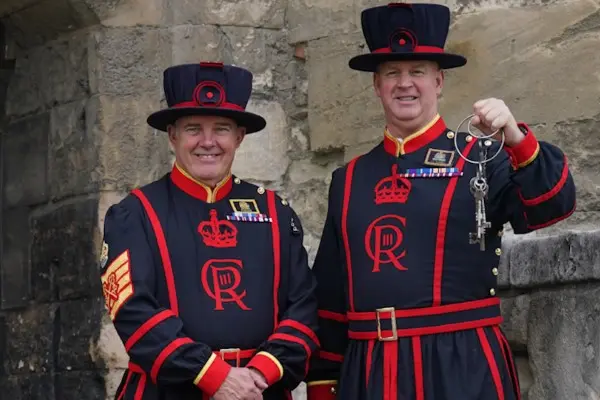
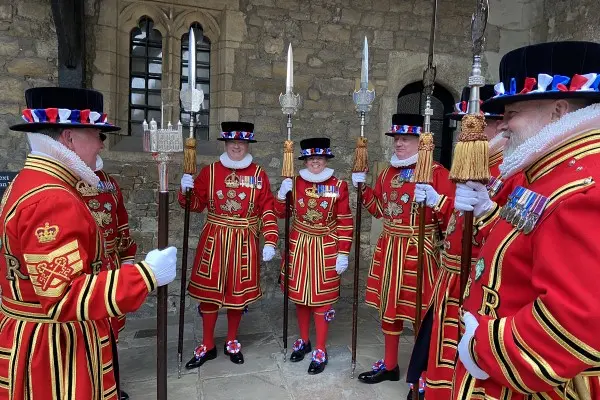
Yes, guided tours are available at the Tower of London and are conducted by the Yeoman Warders, also known as Beefeaters, who are the ceremonial guardians of the Tower. These tours are included in the price of admission and offer a fascinating insight into the history of the Tower, its famous residents, and its role in British history.
The Yeoman Warders share stories and anecdotes, bringing to life the Tower's past, including tales of intrigue, imprisonment, execution, and more. The tours start near the main entrance and last approximately one hour. It's a highly recommended experience for visitors wanting to learn more about the Tower of London's rich and sometimes gruesome history. No booking is required for these tours; however, they can be quite popular, so it's advisable to join a tour upon arrival.
The Tower of London strives to be accessible to visitors with disabilities, but due to its historic nature, some areas may present challenges. The Tower is a large complex with uneven paving, narrow staircases, and some areas that are not accessible by wheelchair. However, there are facilities and services in place to help ensure that visitors with disabilities can enjoy their visit:
Wheelchair Access: Certain areas of the Tower, including the Jewel House (home to the Crown Jewels) and the Main Gift Shop, are wheelchair accessible. The Tower also provides wheelchairs for loan.
Visual Impairments: Assistance dogs are welcome, and some resources may be available to support visually impaired visitors.
Hearing Impairments: Induction loops are installed at ticket counters and some exhibition spaces.
Accessible Toilets: These are available at several locations within the Tower.
Most visitors spend 2-3 hours at the Tower, but you could easily spend a whole day exploring all the exhibits, tours, and historical points of interest.
Yes, there are several places to eat and drink within the Tower, offering a range of options from light snacks to full meals.
Yes, there are several attractions and landmarks near the Tower of London. Some popular options include Hms Belfast, the Shard, Borough Market, Tower Bridge and St Pauls Cathedral, all within walking distance.